Be Prepared: Understanding Floods and Staying Safe with Ready.gov
BlogTable of Contents
- Understanding Flood Insurance and Sewer Backup Coverage
- The dangers of flood damage | SafeGroup
- Flood Damage - What Your Inspector Should Look For
- Taxpayers facing million bill for flood damage
- Flood disruption and damage: what can your insurance pay for? - Which?
- Flood Damage Recovery: Essential Steps to Take in the First 24 Hours ...
- How Flood Damage Occurs and Who Really Cares - Property Claim Assist
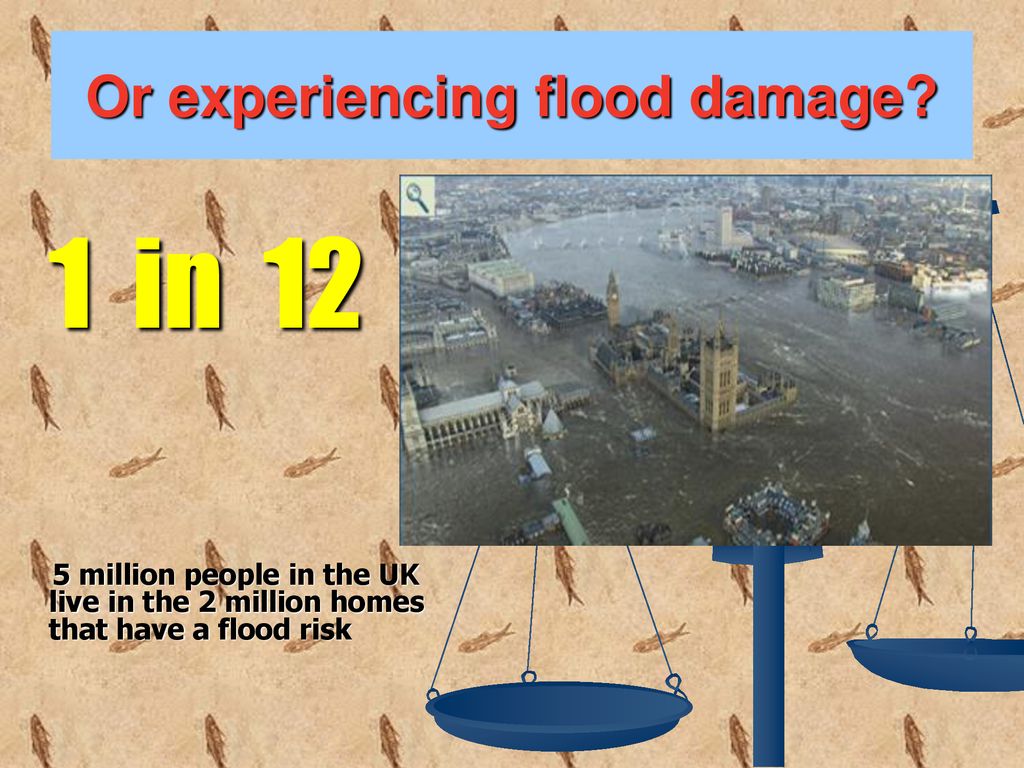
- “It’ll Never Happen To Me…” - ppt download
- Flood Damage Cost Estimates | How Much Does Flood Damage Cost?
- Flood Damage | ServiceMaster by JTS
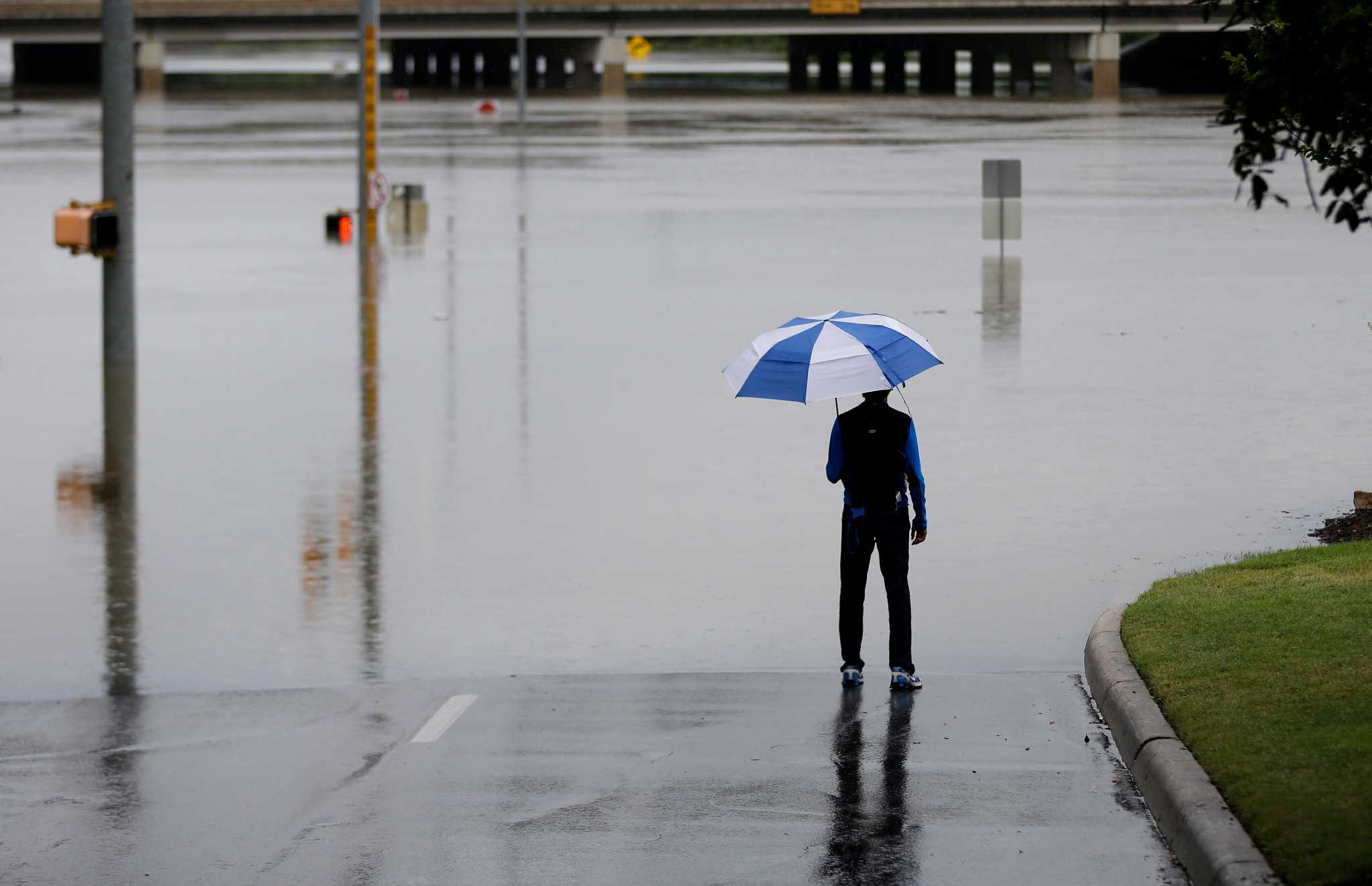
Floods are one of the most common and destructive natural disasters in the United States, affecting millions of people every year. According to Ready.gov, floods can occur anywhere, at any time, and can be devastating to individuals, families, and communities. In this article, we will explore the importance of being prepared for floods, the different types of floods, and how to stay safe during a flood event.


Types of Floods

There are several types of floods, including:

- Flash Floods: Sudden and rapid rises in water levels, often caused by heavy rainfall or dam failures.
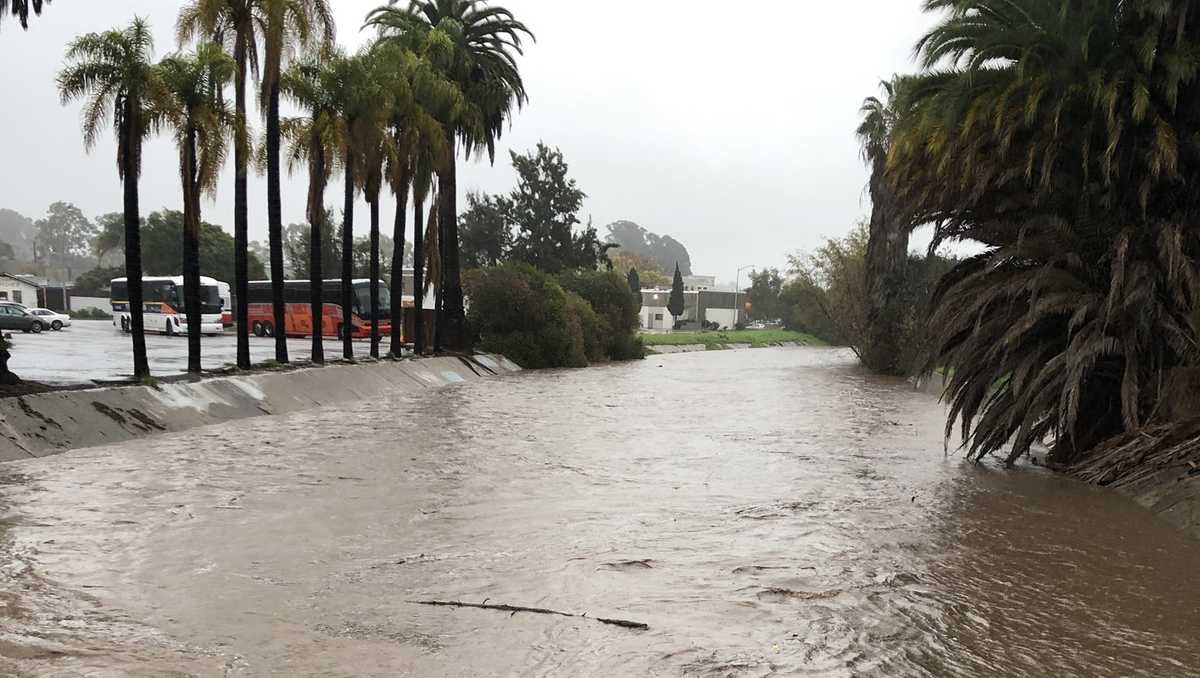
- River Floods: Flooding that occurs when a river overflows its banks, often caused by heavy rainfall, snowmelt, or storm surges.
- Coastal Floods: Flooding that occurs when seawater rises above the normal tide level, often caused by storm surges, hurricanes, or tsunamis.
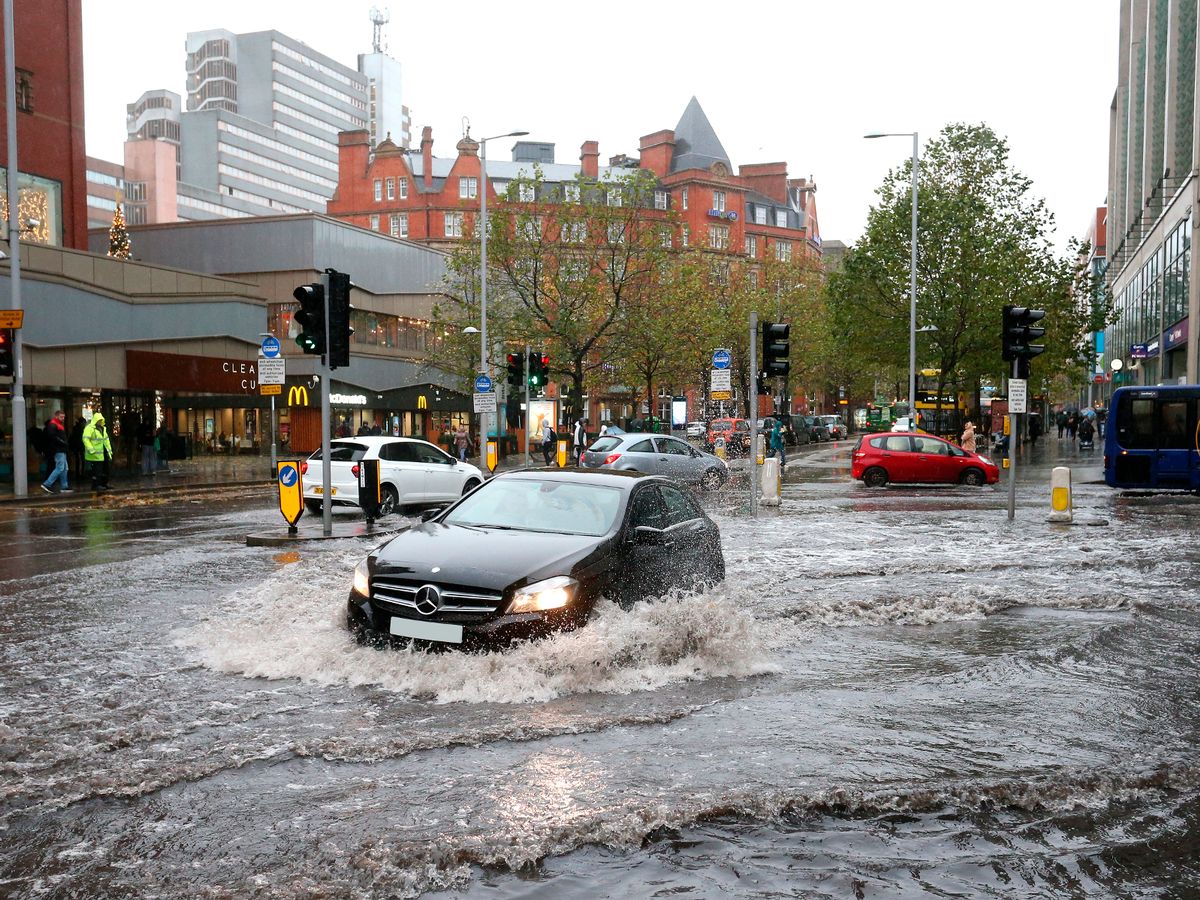
- Urban Floods: Flooding that occurs in urban areas, often caused by heavy rainfall, storm drains, or sewer backups.
Preparing for Floods
Being prepared for floods is crucial to staying safe. Here are some steps you can take to prepare:
- Create a Flood Emergency Plan: Develop a plan with your family that includes evacuation routes, emergency contact numbers, and a meeting point.
- Stay Informed: Sign up for emergency alerts from your local government or weather service to stay informed about flood warnings and evacuation orders.
- Build a Flood Emergency Kit: Assemble a kit with essential items such as food, water, first aid supplies, and a battery-powered radio.
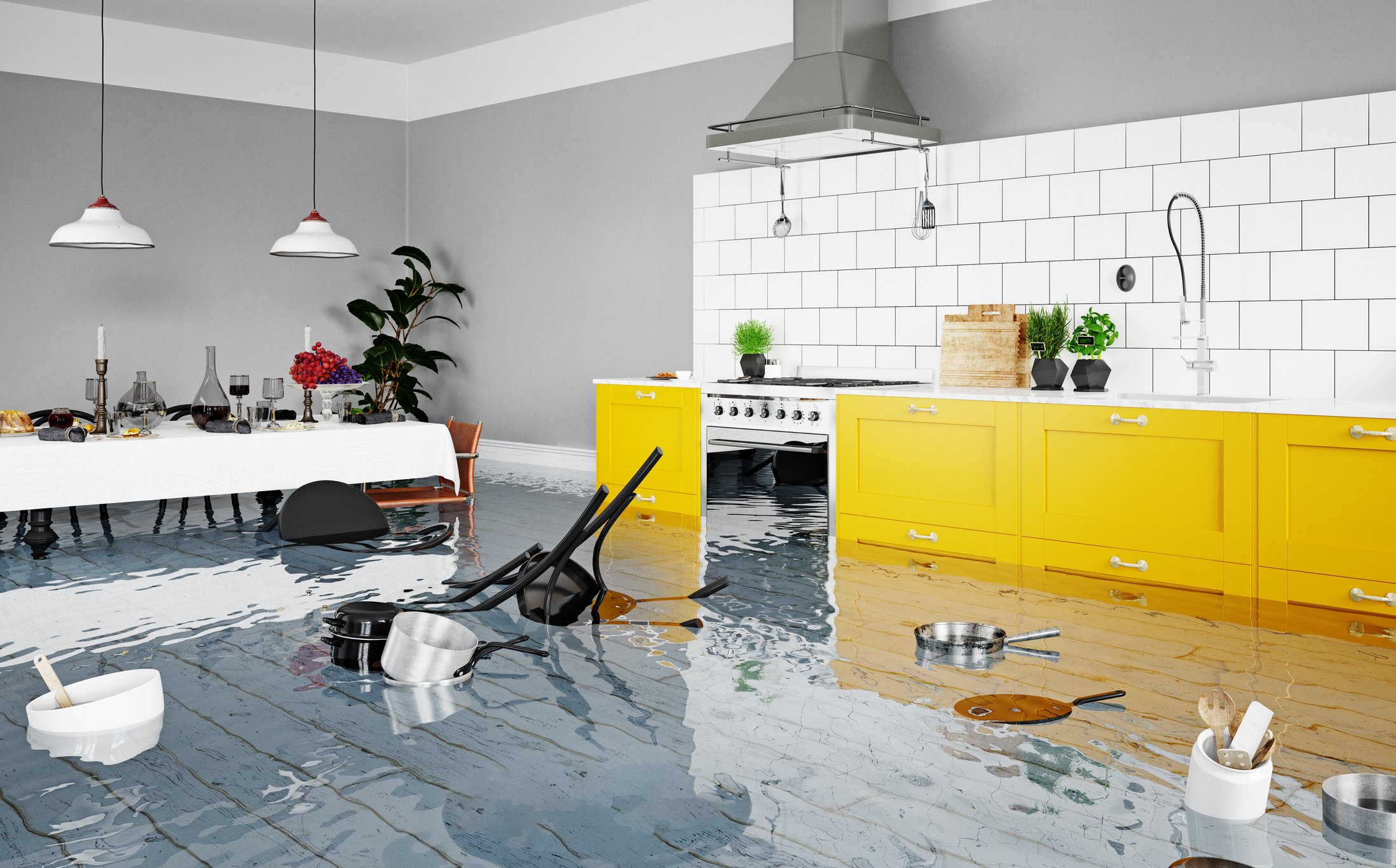
- Protect Your Home: Consider installing flood-proof barriers, elevating electrical outlets and switches, and moving valuable items to higher floors or elevated areas.
Staying Safe During a Flood
During a flood, it's essential to prioritize your safety. Here are some tips to help you stay safe:
- Evacuate Immediately: If ordered to evacuate, do so promptly and follow the recommended evacuation route.
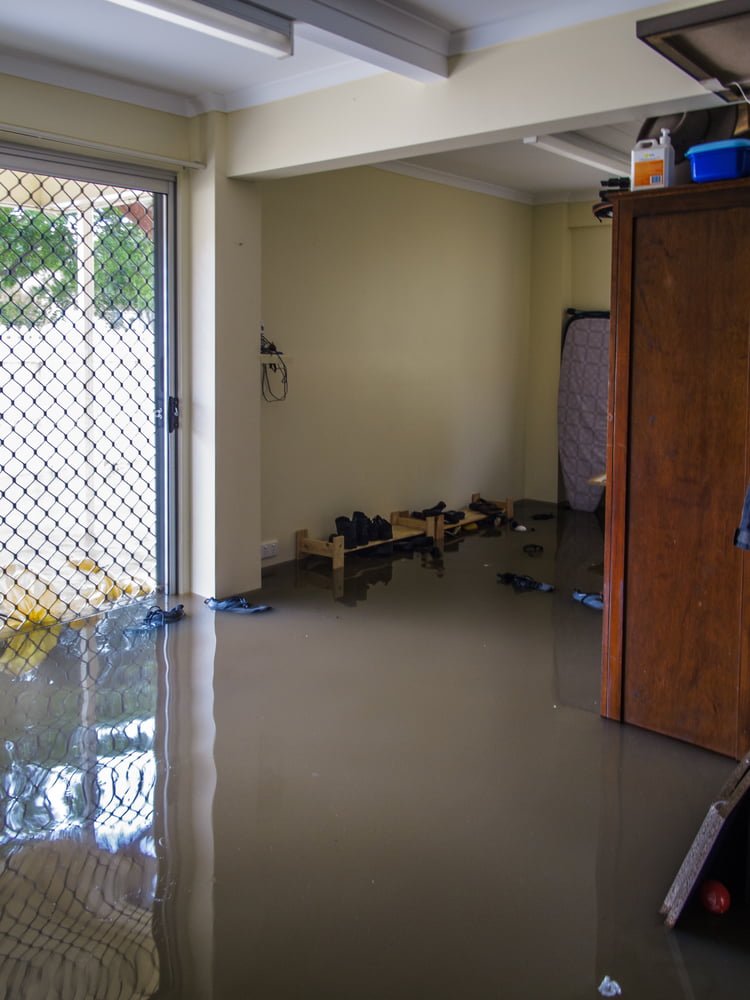
- Avoid Walking or Driving Through Floodwaters: Floodwaters can be contaminated with sewage, chemicals, and other hazards, and can also be deeper than they appear.
- Keep Children and Pets Safe: Never leave children or pets alone during a flood, and keep them away from floodwaters.
- Stay Informed: Monitor local news and weather reports for updates on the flood and any evacuation orders.
In conclusion, floods can be devastating, but being prepared and staying informed can help you stay safe. By understanding the different types of floods, preparing for floods, and knowing how to stay safe during a flood event, you can reduce your risk of injury or property damage. Visit Ready.gov for more information on flood safety and preparedness.
Remember, preparation is key to staying safe during a flood. Take the necessary steps to prepare your family and home, and stay informed about flood risks in your area. By working together, we can reduce the impact of floods and keep our communities safe.